






Date

23 October 2026

Location

Parklane Resort & Spa, Limassol

Language

English / Greek

Date

23 October 2026

Location

Parklane Resort & Spa, Limassol

Language

English / Greek

The global landscape is undergoing profound transformation. Geopolitical rivalries are intensifying, economic competition is accelerating, energy systems are being reconfigured and technological disruption is reshaping the way nations, institutions and businesses operate.

The international order that defined the past decades is evolving into a more complex and fragmented system. Strategic competition between major powers is redefining diplomacy and international relations. Regional conflicts continue to influence global security dynamics, while economic policies, energy security concerns and shifting supply chains are transforming the foundations of international trade and investment.

In this environment, leaders in both government and business must navigate a world where geopolitics, economics, energy policy and corporate strategy are increasingly interconnected.

Key questions arise:

• What will the global landscape look like in 2027?
• How will geopolitical developments shape economic policy and international cooperation?
• How will energy transitions and security concerns reshape markets and industries?
• What strategic decisions must business leaders take to remain competitive in an evolving global environment?

THE FORUM

The 17th Limassol Economic Forum is an invitation for CEOs and business leaders to understand the forces shaping tomorrow’s world and to make informed strategic decisions.

In a rapidly changing global environment, the Forum returns in 2026 as one of the region’s leading platforms for strategic dialogue and thought leadership.

Hosted in Cyprus — a strategic crossroads connecting Europe, the Middle East and North Africa — the Forum convenes senior policymakers, business executives, economists, diplomats and international experts to examine the developments shaping the global agenda.

This year’s theme is:

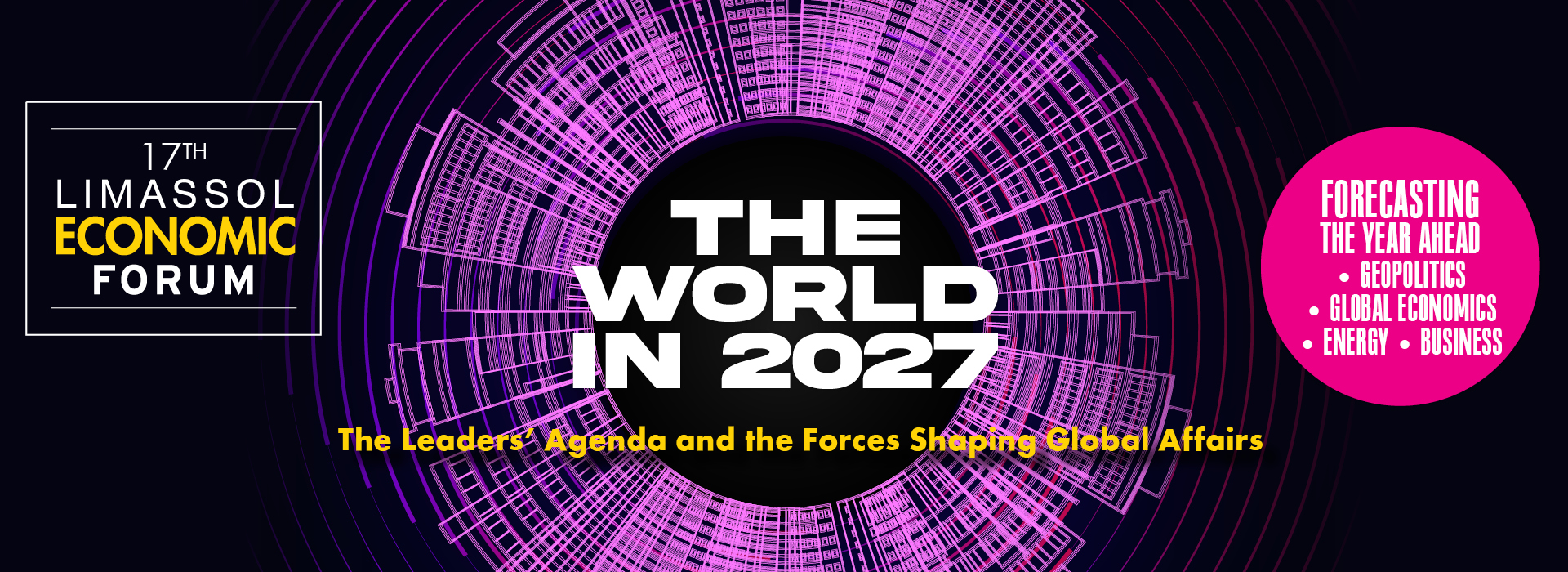
“THE WORLD IN 2027: The Leaders’ Agenda and the Forces Shaping Global Affairs.”

The Forum will explore how geopolitical developments, economic trends, energy transformations and evolving business strategies will influence decision-making in the years ahead.

Through four interconnected pillars — Geopolitics, Global Economics, Energy and Business — the Forum will examine how governments, institutions and companies can navigate uncertainty, adapt to change and seize new opportunities in a rapidly evolving world.

WHO WILL ATTEND

The Limassol Economic Forum is addressed to senior decision-makers including:

• Board Members
• CEOs and Managing Directors
• Senior executives from major corporations in Cyprus and abroad
• Government officials and policymakers
• Diplomats and international relations experts
• Economists and academics
• Investors and financial sector leaders
• Entrepreneurs and emerging business leaders

The Forum offers a unique platform for strategic dialogue, high-level networking and the exchange of ideas among leaders shaping the future of business and global affairs.

Attendance at the Limassol Economic Forum is by invitation only.

previous Speakers

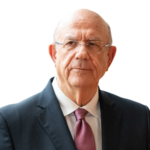
Makis Keravnos

Minister of Finance, Republic of Cyprus

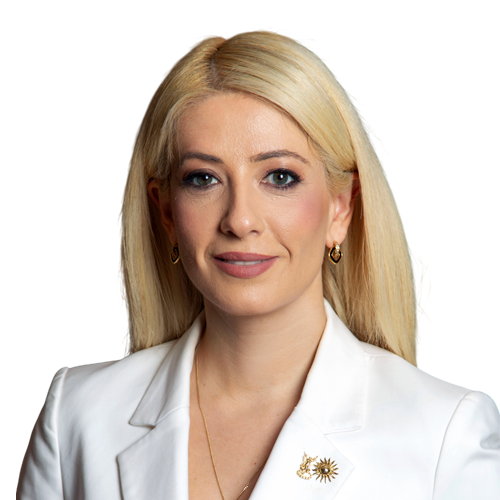
Annita Demetriou

President, House of Representatives of the Republic of Cyprus

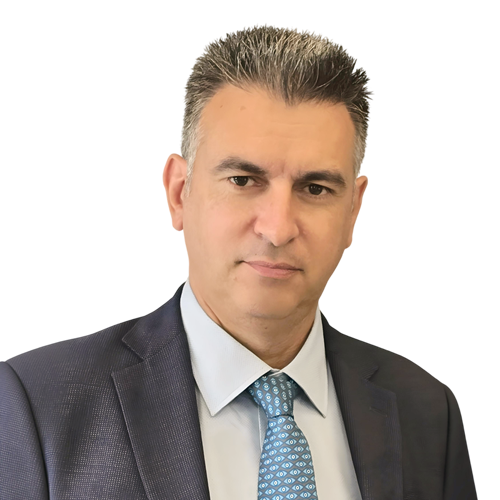
Dimitrios Skalkos

Chairman, ENTERPRISE GREECE / Secretary General for International Economic Affairs, Ministry of Foreign Affairs, Hellenic Republic

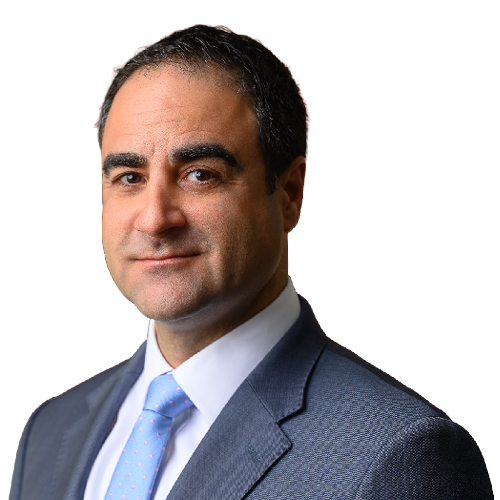
Pieris Markou

CEO, Deloitte Cyprus

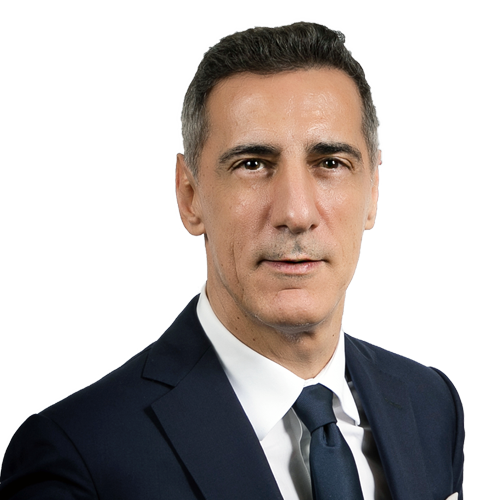
Elias Neocleous

Managing Partner, Elias Neocleous & Co LLC

Constantinos Savvides

CEO, bbf:

John Christodoulou

Chairman & Owner, Yianis Group Ltd

H.E. Antonella Cavallari

Ambassador of Italy to Cyprus

H.E. Michael Tatham CMG

British High Commissioner to the Republic of Cyprus, British High Commission Nicosia

H.E. Manish

High Commissioner of India to Republic of Cyprus

Gina Cohen

Natural gas expert in the Eastern Med

Loukas Tsoukalis

President of the Board, ELIAMEP/ Professor, Sciences Po, Paris; Professor Emeritus, University of Athens

Steven Blockmans

Deputy Director, International Centre for Defence and Security (ICDS)

Panayotis Tsakonas

Professor of International Relations and Security Studies, National and Kapodistrian University of Athens

Panos Tsakloglou

Professor, Athens University of Economics and Business & Member of Monetary Council, Bank of Greece

Constantinos Filis

Professor, Director of the Institute of Global Affairs, Deree, The American University of Greece

Forum Highlights

Navigating Through Turbulent Times: The Role of the European Union and Cyprus

The current global environment is characterised by geopolitical tensions, economic uncertainty and rapid technological transformation. These developments underscore the importance of strengthening resilience, competitiveness and strategic cooperation within the European Union and with international partners. In this evolving landscape, Cyprus contributes to collective European efforts aimed at promoting stability, resilience and sustainable growth
Europe in an Age of Uncertainty: Leadership, Democracy and Strategic Responsibility
The Entrepreneur’s View: Where to Take Risk and Build Value in an Uncertain World
The challenge for Europe in times of global disruption

We live in times of global disruption and the fundamentals on which European integration was premised for decades are no longer. Can Europe adjust to an unstable, anarchic and asymmetrical world and hence be able to effectively defend common interests and values? And what, if not? Europe becoming a political adult constitutes an existential challenge.

The Eastern Mediterranean in an Era of Polycrisis: Is There Still Reason to Hope?

With the Eastern Mediterranean facing a combination of longstanding and emerging—often asymmetric—threats and challenges, and with polycrisis increasingly becoming the region’s “new normality” instability and conflict may appear increasingly difficult to avoid. What would it realistically take to promote stability and achieve meaningful cooperation, particularly in the field of energy? What roles can and should the EU, the United States, and NATO play? And what should political and business leaders in Greece and Cyprus be preparing for as they look towards the Eastern Mediterranean of 2027 and beyond?


The Emerging Geopolitical Map of the Eastern Mediterranean

The Eastern Mediterranean is being reshaped by shifting power balances, regional wars, energy competition and new strategic alignments. Greece, Turkey, Cyprus, Israel and Egypt are adapting to a more fragmented security environment, while the United States, Europe and other external powers redefine their regional roles. Energy routes, maritime competition, connectivity and defence partnerships, and migration flows are redrawing the geopolitical map, generating new patterns of cooperation, rivalry, risk and strategic opportunity.

Can Europe Act? Foreign Policy, Defence and Leadership in a Fragmenting World

Europe faces a defining strategic moment as geopolitical fragmentation, renewed great-power rivalry, and shifting transatlantic commitments challenge its ability to act. How can the European Union translate economic weight and political ambition into credible foreign policy, defence capacity, and strategic leadership. Given the many institutional constraints, divisions between member states, and emerging opportunities, what must the members of the EU family do to become a more capable, cohesive, and influential actor in an increasingly uncertain world?

Europe’s Demographic Time Bomb: Growth, Labour Markets, Pensions and the Economics of an Ageing Continent

Population ageing poses profound challenges to Europe’s growth prospects, labour markets and pension systems—and is rapidly becoming a global phenomenon. Yet demographic destiny need not imply economic decline. Faster productivity growth, increasingly supported by artificial intelligence, longer and healthier working lives, and well-managed migration can all help economies adapt. The challenge is formidable, but with appropriate policies and technological progress, ageing societies can remain prosperous and resilient.

East Mediterranean gas market review – interdependence, optionality and a region still short of its potential

The East Mediterranean gas market is increasingly interconnected but remains strategically fragile. Egypt dominates regional infrastructure despite its gas deficit; Cyprus has substantial resources but limited leverage; Recent wars exposed vulnerabilities. The central challenge is whether the region can diversify export routes while preserving cooperation, security and flexibility.

Geopolitics: Diplomacy & International Relations
The global geopolitical landscape is undergoing profound transformation as traditional alliances evolve and new power dynamics emerge. Strategic competition among major global actors, regional conflicts and shifting diplomatic relationships are reshaping the international order and influencing economic and political cooperation worldwide.

Discussions under this pillar will examine the evolving balance of global power, the future of Europe and its role in global affairs, and the implications of geopolitical tensions involving major powers such as the United States, China and Russia. Particular attention will be given to developments in the Middle East and the geopolitical ramifications of the war in Iran.

Understanding these dynamics is essential for leaders seeking to navigate an increasingly complex and unpredictable global environment.


Global Economics
The global economy is entering a new phase marked by structural change, policy recalibration and intensifying competition between regions for investment, talent and technological leadership. Governments and institutions are facing the challenge of sustaining growth while managing inflation, public debt and shifting global supply chains.

This pillar will explore the outlook for the European and global economy, the evolving role of emerging markets and new economic alliances, and the policy responses shaping the future of international trade and investment. Discussions will also address the debate surrounding taxation, wealth distribution and economic competitiveness as countries seek to balance fiscal sustainability with long-term growth.

The conversations will provide insights into the economic forces likely to shape global markets in the years leading up to 2027.

Energy
Energy has become one of the most strategic and politically sensitive issues of our time. The global transition toward cleaner energy systems is unfolding alongside concerns about energy security, supply stability and the affordability of energy for households and businesses.

This pillar will examine the evolving global energy landscape, including Europe’s efforts to strengthen energy independence, the expansion of renewable energy and emerging technologies, and the strategic importance of energy infrastructure and regional cooperation. Discussions will also explore the role of natural gas and other transitional energy sources, as well as the economic and geopolitical implications of energy policy decisions.

Energy developments will remain a key driver of economic competitiveness and geopolitical stability in the years ahead.


Business
In an era defined by geopolitical uncertainty, technological transformation and rapidly evolving market conditions, business leaders are being called upon to rethink strategy, leadership and organisational resilience.

This pillar will focus on how companies can adapt to disruption, navigate global risks and seize new opportunities created by innovation and technological advancement. Discussions will explore leadership in times of uncertainty, the strategic impact of digital transformation and artificial intelligence, and the ways in which companies can build more resilient and competitive organisations.

By bringing together experienced business leaders and emerging entrepreneurs, this pillar will offer valuable perspectives on the evolving priorities shaping corporate strategy in the years ahead.

Platinum Partners

In Association with
Mobility Partner
Communication Sponsors

Organisers

event Location